Introducing Foam Free 13™ by Coyne Chemical
A Reliable, Cost-Effective, and Biologically Safe Antifoam Alternative
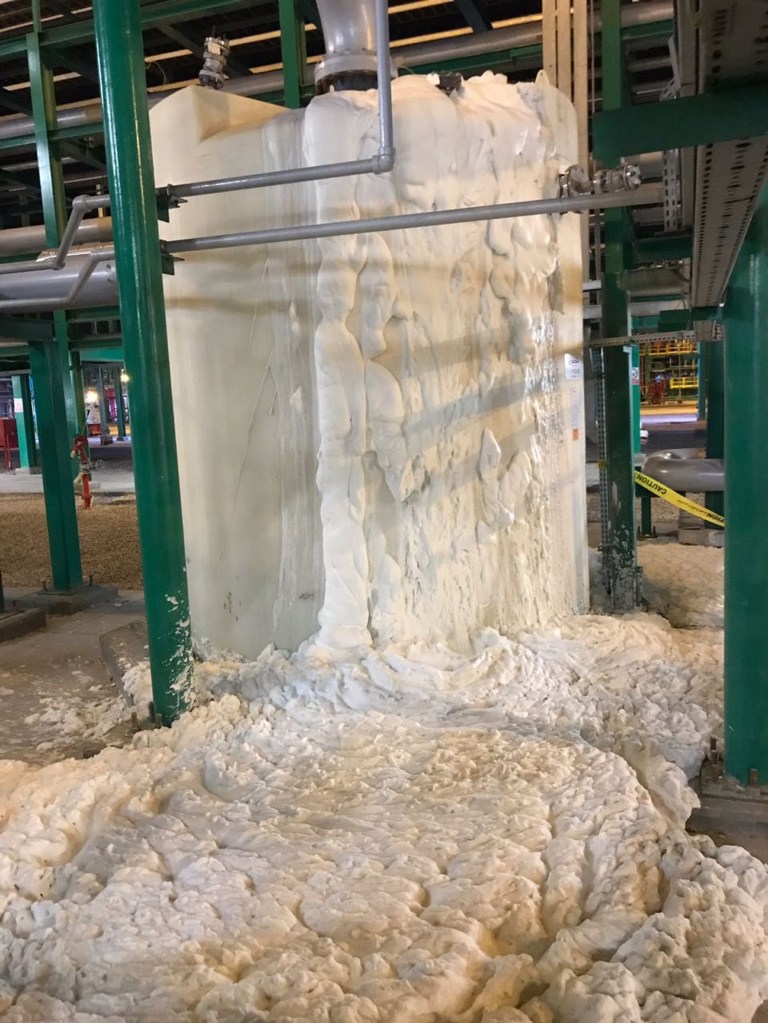
In recent years, the North American antifoam market has experienced significant disruption following the destruction of a major U.S. manufacturing facility in a fire. The resulting supply shortage has driven antifoam prices to unsustainable levels for many operators in Biological Desulfurization Systems.
At TCS, we’ve listened to our customers’ concerns and are proud to offer a proven, high-performance solution: Foam Free 13™, manufactured by Coyne Chemical.
What is Foam Free 13™?
Foam Free 13 is a 100 % active, water-based antifoam emulsion built on a fatty alcohol platform. It delivers rapid knockdown and long-lasting foam suppression without the biological toxicity or environmental persistence associated with some traditional silicone or hydrocarbon-based defoamers.
Key technical advantages:
- Fully biodegradable backbone
- Non-silicone, non-mineral oil formulation
- Excellent compatibility with biological treatment systems (aerobic and anaerobic)
- Effective across a wide pH (4–11) and temperature range
- Low aquatic toxicity – safe for discharge within regulatory limits
Real-World Performance
Three of our long-term Dairy and Landfill Bio-Desulfurization clients have successfully transitioned to Foam Free 13 with outstanding results:
| Customer Type | Duration of Use | Outcome |
|---|---|---|
| Dairy Gas Upgrader – Biological Desulfurization System | > 5 years | Complete foam control, no impact on effluent quality or MLSS health |
| Landfill Gas Facility – Biological Desulfurization System | > 2 years | Significant cost savings, zero process upsets |
| Dairy Gas Upgrader – Biological Desulfurization System | > 1 year | Rapid foam knockdown, delighted with both performance and pricing |
None of these facilities have reported any adverse effects on biological activity, settling characteristics, or final effluent parameters.
Best-Practice Dosing
Foam Free 13 is highly efficient – a little goes a long way. Overdosing any antifoam, including this product, can paradoxically increase foam in certain systems. We recommend starting with 5–20 ppm (based on total basin volume) and adjusting via jar testing or real-time observation for optimal economy and performance.
Ready to Lower Your Antifoam Costs Without Compromising Performance?
Contact the TCS technical team today for:
- Product data sheet & SDS
- On-site trial support and dosing recommendations
- Competitive pricing and current stock availability
Let us help you regain control of both foam and your budget.
📞 Call us at (832) 628-1245
✉️ Email: smorse@t-c-s.net
 Trident Consulting Specialists, LLC
Leave a comment